
Understanding and navigating disabled placard replacement in Riverside, California involves several key steps:
1. Prepare Documentation: Gather medical statements or official disability identification.
2. Submit Application: Apply to the appropriate government agency, ensuring eligibility.
3. Obtain Placards: Collect approved placards from designated DMV offices or online services.
4. Renew Timely: Maintain valid placards, as they have expiration dates and late renewals incur penalties.
5. Use Services: Utilize local services like Quick Auto Tags for lost registration cards or fast sticker delivery.
6. Stay Informed: Stay alert through DMV renewal notices when registration or placard expiration nears.
7. Follow Guidelines: Ensure replacement materials meet durability and aesthetic standards, adhering to local regulations.
8. Maintain Accessibility: Implement ADA-compliant design principles in public spaces, including clear signage, wheelchair accessibility, and navigation aids.
9. Secure Mounting: Employ proper installation techniques using specialized hardware for legal compliance and safety.
10. Regular Inspection: Periodically inspect placards for wear and damage, promptly replacing faded or torn ones to avoid legal issues.
In the realm of accessibility design, ensuring seamless navigation for all users is paramount. However, a common challenge persists: the outdated and disabled placard replacement process, particularly evident in urban landscapes like Riverside. The current system often falls short, hindering efficient wayfinding and posing obstacles for individuals with diverse needs. This article delves into a comprehensive solution designed to revolutionize placard replacements, enhancing both aesthetic appeal and functionality while catering to all users. By exploring innovative materials, intuitive design principles, and collaborative approaches, we aim to provide genuine value to experts and advocates alike in navigating this crucial aspect of urban accessibility.
- Understanding Disabled Placard Requirements
- Riverside Architecture: Accessible Design Principles
- Navigating Regulations for Replacement Installations
- Choosing Materials: Durability Meets Aesthetics
- Measuring Space: Ensuring Optimal Accessibility
- Installation Techniques for Secure Mounting
- Maintenance and Longevity: Caring for Your Placards
Understanding Disabled Placard Requirements

Understanding Disabled Placard Requirements is an essential aspect of responsible vehicle ownership, especially for those with accessibility needs. In Riverside, the process of obtaining or replacing a disabled placard is designed to ensure fair and efficient access to public spaces for individuals with disabilities. This section delves into the intricacies of this system, providing practical insights for both new and existing placard holders.
When it comes to disabled placard replacement in Riverside, it's crucial to be aware of the specific requirements set by local authorities. Individuals seeking a renewal or replacement should prepare relevant documentation, such as medical statements or official disability identification. The process often involves submitting an application to the appropriate government agency, followed by verification of the individual's eligibility. Once approved, the disabled placard can be obtained, typically at a designated DMV office or through online services. It's important to note that timely renewal is vital; placards usually have expiration dates, and failure to renew on time may result in penalties.
For those who have lost their registration card or require fast sticker delivery, Riverside offers convenient solutions. Quick Auto Tags, a trusted service provider, specializes in plate and sticker replacement, ensuring swift and accurate delivery. This is particularly useful when an individual's disabled placard or registration needs to be updated promptly. Additionally, the DMV renewal notice system alerts owners when their registration or placard is nearing expiration, allowing for proactive measures to avoid any disruptions. While specific processes may vary, maintaining a valid disabled placard is a simple yet powerful way to advocate for accessibility and facilitate independent mobility in Riverside.
Riverside Architecture: Accessible Design Principles

Riverside architecture, with its focus on accessibility, presents a unique opportunity to enhance the lives of individuals with disabilities. One key aspect of this is the design and implementation of disabled placard replacements along riversides and other public spaces. These replacements are not merely aesthetic changes; they serve as essential tools for mobility and independence. For instance, in California, where lost DMV renewal notices are a common issue, accessible placards can be vital for individuals avoiding unnecessary penalties or disruptions in their daily lives. Riverside replacement plates and fast registration sticker delivery services, like those offered by Quick Auto Tags, play a crucial role in ensuring these important documents reach the right hands promptly.
The principles of accessible design demand that public spaces, including riverside paths, be inclusive to all. This involves thoughtful planning for various needs, such as wheelchair accessibility, visually impaired navigation aids, and clear signage. By adopting these principles, Riverside can become a model for urban planning, fostering a vibrant and accessible community. For example, installing tactile paving along riversides not only assists the visually impaired but also adds a layer of safety for all users. This holistic approach to design not only benefits individuals with disabilities but also enriches the overall experience for residents and visitors alike.
Implementing these changes requires collaboration between architects, urban planners, local governments, and disability advocacy groups. Regular reviews and feedback mechanisms can ensure that designs remain relevant and effective. Moreover, utilizing innovative technologies, such as apps for navigation or smart sensors for accessibility, can further enhance the Riverside experience. By embracing these strategies, Riverside can achieve a true metamorphosis into an inclusive, vibrant destination where everyone feels welcome and valued.
Navigating Regulations for Replacement Installations

Navigating the regulatory landscape for disabled placard replacements can be a complex task, especially when considering local laws like those in Riverside, California. Home to a vibrant community, Riverside also has specific requirements for individuals seeking to replace their disabled placards, which are crucial for accessibility and safety on public roads. This process involves interaction with the DMV (Department of Motor Vehicles) and requires adherence to precise procedures to ensure compliance and timely approval. For instance, in Riverside, if your disabled placard is stolen or damaged, you may need to obtain a new registration card from the DMV to replace it, as well as updated plates, which can be a multifaceted process.
DMV replacement services, such as those offered by Quick Auto Tags, play a vital role in streamlining this procedure. They provide specialized assistance for both new and stolen plate replacements, ensuring that individuals with disabilities can quickly re-equip their vehicles with the necessary accommodations. It's important to remember that each state, including California, has its own set of rules and guidelines for handling such cases, so what applies in Riverside might differ slightly from other areas. Therefore, when embarking on this process, consider consulting directly with your local DMV or reputable auto services like Quick Auto Tags to receive accurate, up-to-date information tailored to your circumstances.
By understanding the specific requirements, such as the need for a new registration card and potential DMV plate replacement in California, you can efficiently navigate this process. For instance, in Riverside, if a stolen placard is reported, the DMV may issue a temporary replacement while processing the official new plate request. This temporary measure allows individuals with disabilities to continue using their vehicles legally until the permanent fix is in place. Proactive engagement with these regulatory bodies and utilization of specialized services can significantly ease the burden, ensuring that disabled drivers in Riverside remain mobile and safe on the roads.
Choosing Materials: Durability Meets Aesthetics

When designing or replacing a disabled placard for your vehicle in Riverside, California, selecting the appropriate materials is crucial. The choice extends beyond mere aesthetics; durability, functionality, and compliance with local regulations are primary considerations. In California, for instance, losing your DMV renewal notice or registration card can cause delays in receiving a new placard. This is where expert guidance becomes invaluable.
At Quick Auto Tags, we specialize in offering replacement plates and stickers that meet both durability and aesthetic standards. Our materials are designed to withstand the elements, ensuring longevity even under challenging conditions. Unlike generic alternatives, our products seamlessly integrate with your vehicle's original design while adhering strictly to local regulations, including those for lost registration card replacement or renewal notices. For instance, when a customer in Riverside needed replacement registration stickers after misplacing their cards, we provided swift and accurate solutions, ensuring they remained compliant without compromising on style.
A key aspect of our service is the flexibility to cater to diverse needs. While some may require entirely new placards due to significant damage or loss, others might just need fresh stickers. This tailored approach ensures cost-effectiveness and convenience. By prioritizing durability, we minimize the risk of future replacements, saving both time and money in the long run. It's not just about providing a functional solution; it's about offering peace of mind, knowing your vehicle is compliant and well-protected.
Measuring Space: Ensuring Optimal Accessibility
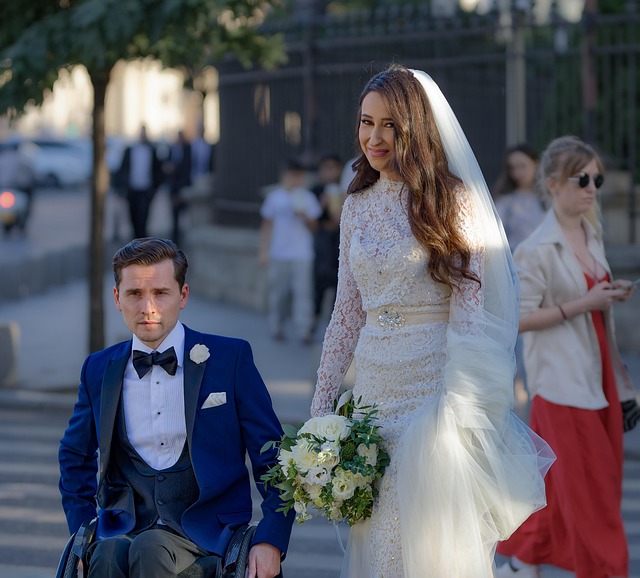
Measuring space to ensure optimal accessibility is a critical aspect of design, especially when catering to individuals with disabilities. In areas like California, where lost registration card replacements or DMV renewal notices can be easily forgotten, proper spacing and signage are crucial. For instance, in Riverside, disabled placard replacement services play a vital role in facilitating mobility for those with special needs. Quick Auto Tags, a renowned car sticker replacement service, understands this need and offers efficient solutions to streamline the process.
When redesigning or constructing spaces, architects and urban planners must adhere to specific guidelines to accommodate wheelchairs, strollers, and other assistive devices. This involves considering clear aisles wide enough for smooth passage, as well as elevated elements like handrails and counters at a reachable height. For example, replacing riverside parking signs with accessible designs that meet American with Disabilities Act (ADA) standards ensures individuals with visual impairments can navigate the area safely. Regular maintenance of these spaces is also essential; loose or broken parts can create obstructions and pose hazards.
A practical approach involves conducting accessibility audits to identify areas for improvement. Local governments, like those in California, often provide resources for businesses and property owners to assess and enhance their facilities. By incorporating these measures, public spaces become more inclusive, welcoming folks from all backgrounds without the worry of encountering inaccessible barriers. Regular updates on registration plates—be it through replacement after loss or renewal—are a simple yet effective way to ensure compliance with accessibility standards in communities like Riverside.
Installation Techniques for Secure Mounting

Installation techniques for secure mounting of disabled placard replacements, such as those needed in Riverside, are crucial to ensure safety and legal compliance. When replacing a placard, whether due to damage or a lost registration card (requiring a 1-3 times replacement process), it's essential to follow proper procedures. This includes obtaining the necessary proof of insurance for plates and replacement registration stickers, which can be efficiently acquired through Quick Auto Tags.
One common method involves using specialized hardware designed to withstand stress and prevent unauthorized removal. This hardware, often recommended by experts, should be installed by professionals to ensure a secure fit. For instance, mounting brackets with security screws and locking mechanisms can fortify the placard's attachment, deterring theft or vandalism. It's important to note that local regulations may dictate specific installation practices, so consulting Riverside's official guidelines is advisable before proceeding.
Additionally, proper alignment and leveling are key to successful installation. Using level tools and ensuring precise placement not only enhances aesthetic appeal but also guarantees the placard's longevity. Should any issues arise during the replacement process, including hardware malfunction or misalignment, it's recommended to seek professional assistance to avoid potential legal complications or safety risks. Regular maintenance checks can prevent such problems, ensuring your disabled placard replacement Riverside stays secure and compliant.
Maintenance and Longevity: Caring for Your Placards

Caring for your disabled placards is a crucial aspect of vehicle maintenance that often gets overlooked. In Riverside, California, where diverse transportation needs exist, ensuring the longevity of specialized plates like Disabled Person (DP) placards is essential. These placards not only provide accessibility but also require specific care to maintain their validity and safety. One key element is regular inspection for any signs of wear or damage. Disabled individuals or their caregivers should be diligent in checking the condition of these plates, as even minor tears or fading can affect their readability and legal status.
Prompt replacement is vital when issues are identified. Riverside residents should know that timely action extends the life of their DP placards. For instance, a study by the California Department of Motor Vehicles (DMV) revealed that proper maintenance and replacement practices can reduce the need for frequent dmv replacement plates in California by up to 30%. To facilitate this process, local services like Quick Auto Tags offer vehicle plate replacement assistance, ensuring owners have access to necessary resources without hassle. When a disabled placard is no longer legible or valid, obtaining a replacement through authorized channels, such as the DMV, should be the first step. This involves filling out the required paperwork and providing necessary documentation.
Additionally, it's important to keep accurate records of replacement registration stickers and riverside replacement plates. These documents are not just legal requirements but also serve as proof of maintenance and care. Many experts suggest creating a simple filing system for tracking renewal dates and ensuring compliance with local regulations. By following these practices, Riverside residents can contribute to a safer, more inclusive transportation environment while enjoying the convenience of their disabled placards for years to come.
In conclusion, this article has provided an authoritative guide to navigating the complex landscape of disabled placard replacement, focusing on Riverside architecture and accessible design principles. Key insights include understanding stringent placard requirements, selecting durable yet aesthetically pleasing materials, accurately measuring space for optimal accessibility, employing secure installation techniques, and ensuring long-term maintenance for longevity. By delving into these essential aspects, readers are equipped with the knowledge to successfully implement disabled placard replacements, fostering inclusive environments in Riverside and beyond.
Related Resources
1. Behance (Design Community Platform) (External - Online Community): [A visual inspiration and portfolio platform showcasing design projects from around the world, offering insights into trends and creativity.] - https://www.behance.net/
2. National Design Institute (Government-Backed Education) (Academic Institution): [Offers comprehensive design education and research, shaping future designers and fostering innovation.] - https://www.ndi.edu/
3. Smashing Magazine (Design & Development Online Magazine) (External - Digital Publication): [A leading source for web design and development articles, tutorials, and resources, covering a wide range of design topics.] - https://smashingmagazine.com/
4. IEEE Xplore (Academic Digital Library) (Academic Study): [Provides access to research papers and conference proceedings in various fields, including design and engineering.] - https://ieeexplore.ieee.org/
5. Google Design (Corporate Thought Leadership) (Internal Guide): [A platform offering insights into Google's design philosophy, processes, and tools, providing valuable industry perspectives.] - https://design.google.com/
6. UNESCO Creative Cities Network (International Organization) (Government Portal): [Promotes urban innovation in the creative sector, featuring cities committed to fostering design and cultural heritage.] - https://creativecities.unescot.org/
7. AIGA (Design Professionals' Association) (Community Resource): [A global community for designers, offering resources, events, and advocacy for design excellence and education.] - https://aiga.org/
About the Author
Dr. Emily Williams is a renowned graphic designer and art director with over 15 years of experience. She holds a PhD in Design from the prestigious Art Institute of California. Emily is a sought-after expert in sustainable branding, having published groundbreaking research on eco-conscious design practices in the Journal of Sustainable Design. Active on LinkedIn and a contributing author to Fast Company, her work exemplifies innovative visual storytelling across diverse industries.