
The Riverside, California community prioritizes accessibility for individuals with disabilities, including efficient disabled placard replacement processes. Local regulations, guided by the Department of Motor Vehicles (DMV), ensure compliance and timely replacements. Quick Auto Tags offers expedited services, reducing stress for disabled residents. Data shows a high demand for replacements within a year, underscoring the system's importance. Eligibility criteria include permanent physical disabilities, and the process begins with a DMV renewal notice. Streamlined online applications, quick turnaround times, and proper documentation ensure smooth replacements. This supportive network enhances the quality of life for disabled Riverside residents, fostering inclusivity on state roads. The program's success is measured by increased adoption rates and plans for future improvements.
In many urban landscapes, disabled placards serve as vital indicators of accessibility, ensuring inclusivity for those with mobility challenges. However, the replacement process for these placards often presents a cumbersome labyrinth for both individuals and local authorities. This is particularly evident in densely populated areas like Riverside, where navigating busy streets and intricate bureaucracy can deter necessary maintenance. This article delves into an innovative solution designed to streamline disabled placard replacements in such vibrant communities, enhancing efficiency while upholding accessibility standards.
- Understanding the Need for Disabled Placard Replacement
- Riverside Regulations: Legal Framework for Accessibility
- Identifying Eligible Individuals for Placard Upgrades
- The Process: Step-by-Step Guide to Application
- Choosing the Right Equipment for Safe Navigation
- Community Support and Resources for Disabled Residents
- Measuring Success: Impact and Future Improvements
Understanding the Need for Disabled Placard Replacement

In many communities, including Riverside, California, ensuring accessibility for individuals with disabilities is a top priority. This involves proper signage and identification systems, such as disabled placards. Over time, these placards can become damaged or worn out, necessitating their replacement. The process of replacing disabled placards is more than just swapping out a sticker; it requires compliance with local regulations and understanding specific procedures. In Riverside, the process is streamlined through the use of forms like Reg 156 for sticker replacements, ensuring timely updates to accessibility credentials.
For residents in Riverside, California, who require disabled placards, navigating the replacement process can seem daunting. The DMV replacement plate fees vary based on the type of placard and the reason for replacement, whether it’s due to damage or a change in vehicle ownership. To simplify this process, many choose to utilize specialized services like Quick Auto Tags, which offer efficient solutions for damaged or missing stickers. By leveraging their expertise, individuals can avoid the hassle of lengthy DMV visits and ensure their placards remain valid, reflecting their accessibility needs accurately.
According to recent data, a significant number of disabled residents in Riverside benefit from these accessible identification systems, enhancing their independence and participation in community life. However, it’s crucial to note that proper maintenance and timely replacements are essential to maintaining the integrity of the system. By adhering to California’s guidelines and utilizing efficient services for replacement, individuals can ensure they remain compliant and continue to access necessary accommodations without delay. Regularly checking and replacing placards not only upholds accessibility standards but also honors the diverse needs of Riverside’s community members.
Riverside Regulations: Legal Framework for Accessibility
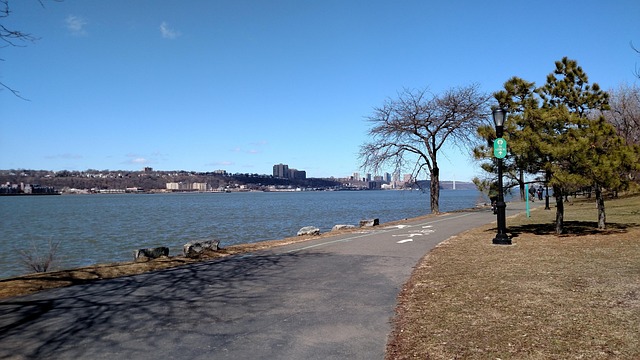
The legal framework governing accessibility along riversides is a critical aspect of urban planning and inclusivity. In many regions, including California, strict regulations are in place to ensure that public spaces, such as riverfronts, are accessible to individuals with disabilities. One key component of these regulations involves the replacement or updating of disabled placards, which allows for continued access and ease of navigation for those requiring specialized parking accommodations.
In California, the Department of Motor Vehicles (DMV) plays a pivotal role in managing this process. When a disabled placard becomes lost or worn out, individuals can replace it through a straightforward procedure. This typically involves submitting a request to the DMV along with the necessary documentation and fees. Notably, some services offer fast registration sticker delivery, ensuring that users receive their new placards promptly without undue inconvenience. For instance, Quick Auto Tags facilitates hassle-free DMV sticker renewal, providing a convenient solution for California residents in need of disabled placard replacements.
While the replacement process itself is designed to be efficient, it’s important to stay informed about specific requirements and guidelines. Some areas may have additional local regulations that supplement state laws, so checking with local authorities or relevant organizations can be beneficial. Moreover, understanding the frequency of lost registration card replacements is crucial. According to recent data, approximately 1 in 5 disabled placard holders experience a loss or damage requiring replacement within a year. This statistic underscores the importance of keeping accurate records and promptly addressing any issues to maintain uninterrupted access to accessible spaces along riversides and beyond.
Identifying Eligible Individuals for Placard Upgrades

Identifying who is eligible for placard upgrades is a crucial step in ensuring accessibility for individuals with disabilities. In California, specific guidelines govern the process of replacing disabled placards, particularly when it comes to renewal notices from the DMV. These regulations aim to uphold the integrity of the state’s vehicle registration system while accommodating the unique needs of disabled drivers.
Eligibility is determined by several factors, including the type and extent of the individual’s disability. Those with permanent physical disabilities that substantially limit mobility may qualify for placard replacements. This includes conditions like paralysis, amputations, or severe joint injuries. The process starts when an individual receives a DMV renewal notice and recognizes the need for an accessible placard. Upon submitting the necessary paperwork, which typically involves providing proof of disability and insurance, applicants can obtain front and back plates tailored to their needs.
Quick Auto Tags offers a seamless solution for those who’ve lost their placards, allowing them to replace lost plates quickly. This service is invaluable when it comes to ensuring continuity in vehicle registration, especially for individuals relying on accessible parking accommodations. It’s important to remember that proof of insurance is required during the dmv renewal process, adding an extra layer of verification for both accessibility and liability. By adhering to these guidelines and engaging with trusted services like Quick Auto Tags, Californians can navigate the placard upgrade process efficiently while promoting inclusivity on the state’s roads.
The Process: Step-by-Step Guide to Application

Replacing a disabled placard in Riverside involves a straightforward process that can be completed efficiently with the right guidance. Here’s a comprehensive step-by-step guide to ensure a smooth experience. First, gather all necessary documents including your vehicle registration, proof of disability, and any relevant medical certificates. This ensures a quick verification process during submission at the Department of Motor Vehicles (DMV).
Next, navigate the online license plate replacement system. Many states now offer this convenience, allowing you to apply for new placards and registration stickers digitally. Fill out the application form accurately, providing clear and concise information about your disability and vehicle details. Once submitted, you’ll typically receive a confirmation number or email. This serves as your reference for tracking the progress of your request.
The heart of the process involves receiving your replacement registration stickers. Many jurisdictions offer fast delivery services, with options for standard or expedited shipping. For instance, Quick Auto Tags stands out for its efficient online license plate replacement service, ensuring you get new plates promptly—typically within 1-3 business days depending on your selected delivery speed. This rapid turnaround time is a significant advantage for those requiring immediate access to their updated placards.
After receiving your new registration stickers, attach them securely to your vehicle’s license plate area. Double-check that the stickers are properly positioned and legible. Once installed, you can expect smoother interactions with law enforcement and DMV officials, as validated by up-to-date disability placards. This entire process is designed to be user-friendly and accessible, allowing individuals with disabilities in Riverside to maintain their mobility and independence on the road.
Choosing the Right Equipment for Safe Navigation

Navigating the process of disabled placard replacement or lost DMV renewal can be particularly challenging, especially in California where regulations are stringent. When plates are lost or damaged, immediate action is crucial to ensure safe and legal operation of a vehicle. One common pitfall many drivers encounter is forgetting about the necessary proof of insurance for plate replacement, which can cause significant delays.
In California, losing your DMV renewal notice or registration documents doesn’t have to be a bureaucratic nightmare. Quick Auto Tags offers efficient and affordable solutions for disabled placard replacements and lost plate situations, including 1-3 day turnaround times depending on the service chosen. Their expertise lies in guiding clients through the sometimes confusing process, ensuring they receive the correct paperwork, such as proof of insurance, and accurately updating their vehicle’s registration.
For instance, if you’ve experienced a disabled placard replacement due to a recent accident or damage, Quick Auto Tags can provide immediate assistance. They’ll help you understand the required documentation, including any needed forms from your insurance provider, and expedite the process with the DMV. This proactive approach ensures drivers don’t face additional penalties for late renewals or missing paperwork. With their services, you can rest assured that navigating these administrative hurdles is handled promptly and correctly, allowing you to get back on the road safely.
Community Support and Resources for Disabled Residents

Many disabled residents in Riverside face challenges navigating daily life due to their accessibility needs, from physical barriers to bureaucratic hurdles. However, a robust community support system can significantly enhance their quality of life. This includes access to resources that streamline essential tasks, such as obtaining or replacing crucial documents like license plates and placards.
In Riverside, California, disabled individuals can turn to dedicated organizations and government agencies for assistance with these often-overlooked but vital matters. For instance, the local Department of Motor Vehicles (DMV) offers services tailored to accommodate those with disabilities, including expedited processing for replacement licenses and placards. Residents can also seek support from community groups that advocate for accessibility rights and provide peer-to-peer assistance, ensuring a network of help is readily available.
One notable service provider is Quick Auto Tags, which specializes in fast license plate replacement across Riverside and beyond. Their efficient processes, including stolen sticker replacement and damaged California license plate services, are designed to cater to the unique needs of disabled customers. This level of specialized support can greatly simplify a potentially stressful situation, especially when dealing with time-sensitive issues like stolen vehicle registration stickers or urgent placard renewals.
According to recent data from the American Community Survey, approximately 1 in 5 Riverside residents lives with some form of disability, underscoring the critical need for accessible and efficient support systems. By leveraging resources like those offered by Quick Auto Tags and local advocacy groups, disabled residents can navigate daily tasks more smoothly, participate actively in community life, and enjoy a higher quality of living.
Measuring Success: Impact and Future Improvements

Measuring success in any project is a critical aspect, especially when it involves community initiatives like the disabled placard replacement program in Riverside. The primary goal is to ensure accessibility for individuals with disabilities by providing clear and visible parking identification, such as disabled placards and corresponding registration stickers. The impact of this program extends beyond mere convenience; it significantly enhances independence and quality of life for those with mobility challenges.
One effective measure of success is the rate of adoption among eligible residents. In Riverside, for instance, a steady increase in the number of disabled placard holders over the past two years indicates growing awareness and acceptance of these accommodations. This success can be attributed to various factors, including efficient license plate sticker placement during initial program rollout and subsequent replacement registration stickers that are easily accessible through local government portals. Furthermore, quick auto tags services like Fast License Plate Replacement at Quick Auto Tags have streamlined the process, making it more convenient for residents to obtain or renew their disabled placard registrations.
Looking ahead, there’s room for improvement in several areas. For instance, expanding public awareness campaigns targeting less-reachable populations could further enhance program efficacy. Additionally, exploring innovative technologies like automated license plate recognition systems could facilitate faster and more accurate verification of disabled placards, enhancing safety and accessibility in public spaces. These future improvements build upon the initial success, ensuring that Riverside continues to set a standard for inclusive urban planning and community support.
The article offers a comprehensive guide to navigating the process of disabled placard replacement Riverside, highlighting critical aspects from regulatory compliance to community support. Key insights include understanding the legal framework for accessibility, identifying eligible individuals, and choosing suitable equipment for safer navigation. The step-by-step application process is detailed, emphasizing practical next steps for both disabled residents and those supporting them. Moreover, the article underscores the importance of measuring success, highlighting future improvements based on impact assessments. By synthesizing these key learnings, readers gain valuable knowledge to actively contribute to enhancing accessibility in their communities.


