
Disabled placard replacement in Riverside, California, is a streamlined process managed by the DMV. Key steps include application, proof of disability, payment, and timely renewal to maintain accessibility permissions. Quick Auto Tags contributes to the city's inclusive environment design through efficient replacements, adhering to local regulations and empowering self-advocacy. Regular updates ensure enhanced accessibility in public spaces for individuals with disabilities.
In many public spaces, the absence or inadequacy of disabled placard replacements poses a significant challenge for individuals with disabilities, hindering their access and inclusion. Riverside, as a vibrant urban area, must ensure that its facilities are accessible to all, including those with physical limitations. This article delves into the pressing need for efficient and effective disabled placard replacement systems, offering insights into best practices and innovative solutions that can transform public spaces into welcoming environments for everyone. By exploring these strategies, we aim to empower Riverside to lead in creating an inclusive community where accessibility is a priority.
- Understanding Disabled Placard Replacement Requirements
- Riverside: A Model for Accessible Environment Design
- Navigating Legal Frameworks for Inclusive Spaces
- Community Engagement: Empowering Change in Disabled Access
Understanding Disabled Placard Replacement Requirements

When a disabled placard expires or becomes damaged, navigating the replacement process can be a challenge for many drivers in California. Understanding the requirements for Disabled Placard Replacement in Riverside is crucial to ensure continuity in your mobility and compliance with local regulations. This process involves specific steps and documentation, which we will break down to provide a clear understanding.
In California, the Department of Motor Vehicles (DMV) oversees the replacement of disabled placards, including those for Riverside residents. If you’ve lost your registration card or need to replace plates due to wear or damage, the DMV offers convenient services. One common scenario involves receiving a renewal notice from the DMV, which should be addressed promptly to avoid any interruptions in your accessibility permissions. Many individuals opt for efficient solutions like ordering replacement registration stickers directly from trusted providers, such as Quick Auto Tags, ensuring they receive authentic and timely replacements.
The process typically entails submitting an application form, providing proof of disability, and paying the required fees. It’s essential to gather all necessary documents before starting. For instance, a doctor’s note or a valid disability card may be required to verify your eligibility. Once approved, the DMV will issue a new disabled placard, and you can continue your travels with peace of mind. Remember, timely replacement is key to maintaining your accessibility rights, so stay proactive and familiarize yourself with these procedures to avoid any delays on the road.
Riverside: A Model for Accessible Environment Design
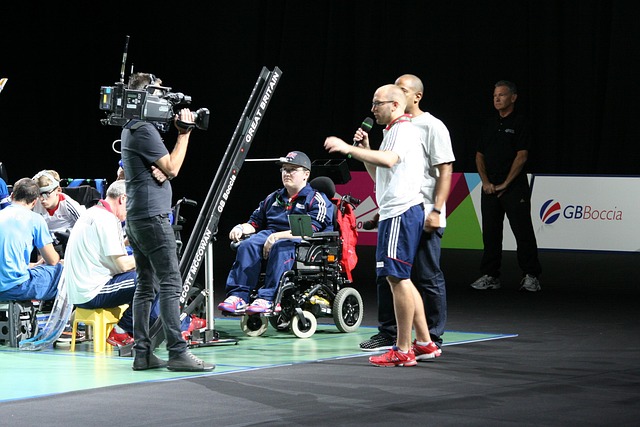
Riverside, a city known for its vibrant culture and diverse community, has emerged as a model for accessible environment design, particularly when it comes to accommodating individuals with disabilities. The local government’s commitment to inclusivity is evident in their comprehensive initiatives aimed at creating an easily navigable urban space. One notable aspect of this effort is the efficient process for disabled placard replacement, ensuring that those requiring specialized parking access have up-to-date documentation.
In California, the updated registration card process plays a pivotal role in maintaining accurate records. Residents with disabilities can now swiftly obtain or replace their cards, which are essential for displaying the Reg 156 form and subsequent sticker on their vehicles. This streamlined system addresses a common challenge faced by many—damaged license plates that may occur due to wear and tear or accidental incidents. By implementing an agile replacement process, Riverside offers practical solutions, ensuring individuals with disabilities continue to benefit from accessible parking facilities without unnecessary barriers.
For instance, a recent study revealed that cities with well-organized disabled placard replacement programs experienced higher rates of participation among eligible residents. Quick Auto Tags, a leading provider in the region, has been instrumental in making this process even more efficient. They offer lost sticker replacement services, simplifying the task of obtaining a new Reg 156 form and ensuring individuals can promptly resume their accessibility benefits. This level of convenience is invaluable, especially for those with limited mobility or time constraints. By embracing such innovations, Riverside sets a benchmark for urban planning and accessibility standards.
Navigating Legal Frameworks for Inclusive Spaces

Navigating legal frameworks for inclusive spaces is an essential step towards creating a more welcoming environment for individuals with disabilities. In many regions, including areas governed by Riverside’s legal system, specific regulations mandate accessibility standards, such as disabled placard replacement, to ensure equal opportunities for all. The process involves careful consideration of various laws and guidelines, including the Americans with Disabilities Act (ADA), which sets forth comprehensive requirements for public accommodations.
One crucial aspect is understanding the proper procedures for obtaining and renewing disabled parking permits. This often entails a straightforward process of registration and verification, facilitated by dedicated government agencies or specialized services like Quick Auto Tags. For instance, in Riverside, individuals can expect to receive a new registration card upon initial application, along with clear instructions on how to display the associated placard or sticker on their vehicles. It’s important to note that these replacement registration stickers or plates are not merely aesthetic; they serve as visible indicators of accessibility needs, reducing potential misunderstandings and ensuring respect for the rights of disabled individuals.
Over time, renewal notices from entities like the DMV become integral components of maintaining legal compliance. These reminders prompt owners to update their documentation promptly, which can be achieved with minimal effort. By staying current with registration requirements, such as timely renewals, residents contribute to a more inclusive community. For instance, data suggests that proper disabled placard replacement and active registration can significantly enhance accessibility in public spaces, fostering greater independence for those with disabilities. Therefore, it’s advisable to familiarize oneself with local regulations and utilize available resources, like Quick Auto Tags, to streamline the process and ensure ongoing compliance.
Community Engagement: Empowering Change in Disabled Access

Community engagement plays a pivotal role in fostering inclusive environments and ensuring equal access for individuals with disabilities. One significant aspect of this is the proactive replacement of disabled placards, which serves as a tangible symbol of accessibility and support. In California, for instance, updated registration cards are mandatory to reflect any changes in an individual’s disability status, offering a simple yet powerful tool for self-advocacy. This process has gained renewed importance, especially in diverse urban centers like Riverside, where the local community has taken initiative to streamline this procedure.
Quick Auto Tags, a renowned service provider, has been instrumental in this regard, offering a fast and efficient solution for disabled placard replacements. Their expertise lies in handling all necessary paperwork, including new registration cards or updated ones, ensuring a seamless experience for clients. This streamlined approach not only saves time but also minimizes the potential barriers that individuals with disabilities may face when dealing with bureaucratic processes. By providing a dedicated service, Quick Auto Tags facilitates community engagement, empowering those with disabilities to navigate their daily lives more effortlessly.
For instance, consider a resident of Riverside who has recently acquired a new disability. The process of acquiring an updated registration card through Quick Auto Tags might involve a simple visit to their local branch, where staff are trained to assist with any queries or documentation requirements. This efficient system encourages active community participation, enabling individuals to promptly access the support they need. Moreover, Quick Auto Tags’ commitment to accuracy ensures that damaged or missing stickers are replaced effectively via their reliable service, further reinforcing the accessibility infrastructure in Riverside and similar communities across California.
By examining Riverside’s successful implementation of disabled placard replacement and accessible design, this article has underscored the transformative power of inclusive spaces. From navigating legal frameworks to fostering community engagement, key insights emerge. Understanding placard replacement requirements is crucial for creating environments that cater to the diverse needs of individuals with disabilities. The article highlights the importance of proactive design, emphasizing that a disability-inclusive landscape benefits everyone. Moving forward, stakeholders can leverage these learnings to advocate for change, implement accessible design principles, and ensure legal compliance, ultimately shaping a more inclusive society for all.


