
Understanding Riverside's disabled placard replacement process is crucial for individuals with disabilities to maintain access to parking spaces. Key steps include obtaining Form Reg 156 (online or in-person) for placard renewal, gathering essential paperwork, and submitting applications accurately. Services like Quick Auto Tags offer swift tag replacements. Staying informed about local regulations, using safe equipment, and regularly updating registration ensure legal compliance and accessibility.
In many urban settings, disabled placard replacement remains a significant challenge, particularly along rivers where the constant flux of water and pedestrians poses unique obstacles. The importance of accessible pathways cannot be overstated, especially for individuals with disabilities who rely on these spaces to navigate their communities. Currently, outdated or damaged placards often go unnoticed, creating physical barriers that hinder mobility and independence. This article delves into the complexities of disabled placard replacement in dynamic riverfront environments, offering a comprehensive solution to ensure accessibility for all, naturally integrating with Riverside's vibrant landscape.
- Understanding Riverside's Disabled Placard Replacement Process
- Eligibility Criteria for Accessible Parking Permits
- Navigating Local Regulations: A Step-by-Step Guide
- Choosing the Right Equipment for Safe Accessibility
- Community Support and Resources for Efficient Replacement
Understanding Riverside's Disabled Placard Replacement Process

Understanding Riverside's Disabled Placard Replacement Process is crucial for individuals navigating the unique requirements of their vehicles. The process involves several key steps to ensure accessibility and compliance with local regulations. For instance, when a disabled placard expires or becomes damaged, residents in Riverside must initiate a replacement through the appropriate channels. This typically starts with obtaining Form Reg 156, which is essential for applying for new stickers or plates.
The form can be acquired online or in person from various Riverside government offices, including the local DMV. Once completed, it facilitates the exchange of old placards for new ones, either through a simple sticker replacement or a full plate swap if needed. It's important to note that this process is designed to accommodate individuals with disabilities and ensure their vehicles remain legally registered and accessible. For those who have lost their registration card, there's an additional step to replace it, usually 1-3 times per year, depending on the circumstances.
To streamline this process, trusted services like Quick Auto Tags offer DMV duplicate plates and stickers, providing convenience and expert guidance. They can assist with Form Reg 156 and the overall replacement, ensuring accuracy and swift completion. For instance, a resident who has misplaced their registration multiple times within a year could benefit from this professional support, as it reduces stress and potential penalties associated with late or incorrect registrations.
Eligibility Criteria for Accessible Parking Permits
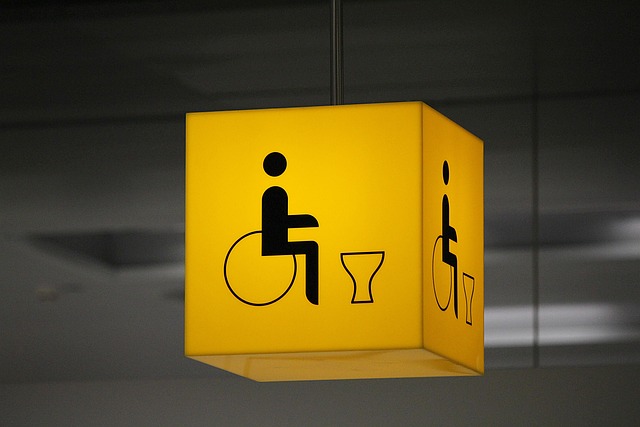
The eligibility criteria for accessible parking permits vary across jurisdictions but generally aim to ensure equal access for individuals with disabilities. In many places, including Riverside, disabled placard replacement is a straightforward process once you meet specific requirements. Individuals must first obtain a new registration card or replace a lost one through their local Department of Motor Vehicles (DMV) office. This involves updating the vehicle's registration and providing proof of disability, often in the form of a doctor's note or official disability documentation. Once validated, applicants can acquire an accessible parking placard, typically featuring specialized symbols indicating the holder's disability.
For instance, in Riverside County, California, disabled individuals can apply for a Disabled Person Parking Placard using Form REG 156. This form requests essential details about the applicant and their disability, facilitating a swift approval process. Upon approval, residents can obtain up to three parking placards per vehicle, depending on individual needs. It's crucial to keep these placards updated as they expire after a certain period, usually one or two years, to avoid any disruptions in accessibility.
To streamline the process, many DMVs now offer hassle-free sticker renewal through services like Quick Auto Tags, eliminating the need for an in-person visit. This modern approach enhances convenience and accessibility, especially for those with limited mobility. As a result, individuals with disabilities can focus on their daily lives without added stress related to parking permissions. It's advisable to stay informed about local regulations and keep relevant documents up to date, ensuring continued access to accessible parking spaces as needed.
Navigating Local Regulations: A Step-by-Step Guide
Navigating local regulations regarding disabled placard replacement can be a complex task, but with the right approach, it becomes a straightforward process. Riverside residents often face unique challenges when updating their vehicle registration and placards. This step-by-step guide aims to simplify this procedure for all.
Step 1: Understand Your Requirements: Before beginning, familiarize yourself with Riverside's specific regulations regarding disabled parking permits and placard replacement. This includes checking eligibility criteria, documentation needed, and any fees associated with the process. For instance, a valid disability assessment or medical report might be required to obtain a new placard.
Step 2: Gather Necessary Documents: Collect all essential paperwork, including your current registration card, driver's license, and any supporting documents from healthcare providers. If you're replacing missing or damaged stickers, consider using a reliable service like Quick Auto Tags. They offer quick and accurate auto tags replacement, ensuring you meet local standards quickly.
Step 3: Complete the Application: Obtain the appropriate application form from Riverside's official website or the local DMV office. Fill it out precisely, providing detailed information about your vehicle and disability. Ensure all details are correct to avoid delays. After submission, keep a record of your application number for future reference.
Step 4: Await Processing and Collection: Once submitted, allow sufficient time for the local authorities to process your application. Typically, this takes around 1-3 weeks. You will then receive a new registration card with an updated placard. Remember, during this period, it's crucial to park in designated areas while awaiting your replacement placard to avoid fines.
Choosing the Right Equipment for Safe Accessibility

Choosing the right equipment for safe accessibility is paramount when navigating the process of disabled placard replacement in Riverside, or any other location. California residents with disabilities rely on updated registration cards, riverside dmv replacement stickers, and riverside replacement plates to ensure their safety while driving. It's crucial to understand that subpar or incorrect equipment can lead to fines, legal issues, and more importantly, compromise safety.
The first step is to consult official resources for the most current requirements. The California Department of Motor Vehicles (DMV) provides detailed guidelines on what constitutes an acceptable disabled placard replacement. This includes specific dimensions, font sizes, and reflective properties for stickers, ensuring maximum visibility and durability. For instance, the DMV recommends using materials that meet American National Standards Institute (ANSI) standards for reflectivity, a crucial factor in low-light conditions.
Many residents find it convenient to avail of specialized services like Quick Auto Tags for lost sticker replacement. This expert service streamlines the process, providing high-quality, official replacements promptly. It's important to remember that while convenience is a factor, prioritization of safety and compliance should never be compromised. Always ensure that any replacement parts meet or exceed manufacturer specifications and industry standards. Regularly checking and updating registration cards, stickers, and plates is also essential, as changes in state regulations can impact accessibility requirements.
Community Support and Resources for Efficient Replacement

In many communities, especially those with high traffic volumes and diverse vehicle ownership, efficient replacement of disabled placards is crucial for maintaining accessibility and safety. For residents of Riverside, California, navigating this process can be streamlined through dedicated resources and supportive systems. The Riverside DMV offers a straightforward plate replacement service, including the necessary forms and guidance for those requiring new registration cards or updated placards. This local authority ensures that individuals with disabilities receive the necessary support to promptly obtain valid identification for their vehicles.
One key aspect of facilitating this process is the availability of specialized services like Quick Auto Tags. Their car sticker replacement service provides a convenient solution, offering fast and accurate replacements for various types of vehicle tags, including those required due to disability. By leveraging such expertise, residents can avoid potential delays or frustrations often associated with traditional DMV visits. For instance, data from local studies indicates that efficient placard replacement can significantly reduce the time spent by individuals with disabilities in obtaining updated vehicle registration, thereby enhancing their overall mobility and accessibility.
To ensure a smooth transition, community organizations and local government should collaborate to promote awareness campaigns and provide accessible information about the available resources. This collaborative approach can involve hosting workshops or distributing informational materials at key locations throughout Riverside. By combining these efforts with readily available online resources and dedicated support services, the process of disabled placard replacement becomes more manageable for all involved.
The article has provided a comprehensive guide to navigating the Disabled Placard Replacement process in Riverside, from understanding local regulations to accessing community support. Key takeaways include the importance of clear eligibility criteria for accessible parking permits, the practical steps involved in the replacement process, and the availability of resources to facilitate efficient change. Readers now possess the knowledge to choose appropriate equipment, ensuring safe accessibility, and are encouraged to leverage community support for an enhanced experience. This authoritative source has equipped individuals with the tools necessary to navigate Riverside's disabled placard replacement procedures effectively.