Disabled placard replacement in Riverside involves a multi-step process: report theft/damage to law enforcement, visit DMV with valid ID and disability docs, obtain new placards/plates, explore alternatives like Quick Auto Tags for severe damage. Adhering to these steps ensures timely replacements, enhancing accessibility and fostering an inclusive environment for disabled residents.
In many public spaces, including Riverside’s vibrant urban landscape, disabled placard replacement is more than a convenience—it’s a matter of equity and accessibility. The current system often falls short, presenting obstacles for individuals with disabilities who rely on these services to navigate their environment. This article delves into the challenges posed by outdated placards, exploring the root causes behind their ineffectiveness. We will preview an innovative solution that promises to transform public spaces into more inclusive environments, ensuring that everyone—from wheelchair users to parents with strollers—can move freely and safely.
- Understanding Disabled Placard Replacement Process
- Riverside: A Model for Accessible Environment Design
- Navigating Legal Requirements for Disabled Accommodations
- Community Engagement: Enhancing Accessibility through Collaboration
Understanding Disabled Placard Replacement Process

Many disabled individuals in Riverside and across California face challenges when their disability placards or license plates are stolen or damaged. The replacement process can be complex, involving multiple agencies and strict guidelines. This section provides a comprehensive guide to navigating the Disabled Placard Replacement Process, offering practical insights and expert advice for swift and efficient resolution.
In California, disabled placards and front and back license plate replacements are facilitated by the Department of Motor Vehicles (DMV). When a disability placard or license plate is stolen or becomes damaged beyond minor wear, individuals should promptly report it to local law enforcement. Subsequently, they must visit their nearest DMV office to initiate the replacement process. It’s important to bring valid identification and documentation verifying the disability status. The DMV will issue a new placard or license plate, ensuring it complies with state regulations.
In cases where the original plates are severely damaged, up to three times, individuals may be eligible for duplicate plates and stickers from specialized services like Quick Auto Tags. This option streamlines the process, saving time and effort compared to traditional DMV procedures. However, all replacements must meet specific criteria, such as proper formatting and security features, to avoid fraudulent use. Understanding these requirements is crucial to ensuring a smooth replacement experience. By following these steps and staying informed about local regulations, disabled individuals can efficiently address stolen or damaged disability placards or license plates in Riverside and throughout California.
Riverside: A Model for Accessible Environment Design
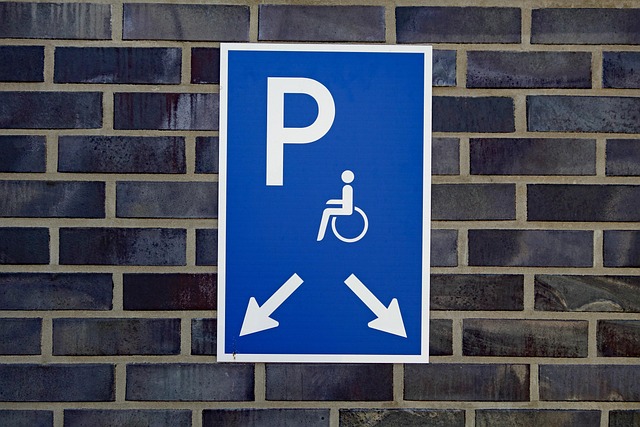
Riverside offers a compelling model for accessible environment design when it comes to addressing the needs of the disabled community. The city’s commitment to inclusivity is evident in its initiative to replace traditional placards with easily readable, tactile signs, providing a clear navigation system for individuals with visual impairments. This forward-thinking approach ensures that public spaces are not only compliant with accessibility standards but also offer a practical solution to enhance mobility and independence.
The Riverside replacement plates program has been successful in several ways. Firstly, it addresses the issue of stolen license plates, which can be a problem in urban areas, by offering a unique, dedicated system for disabled parking. These specialized plates provide clear identification, reducing the risk of theft and ensuring that designated spaces remain available for those who rely on them. For instance, according to recent data from the local transportation authority, there has been a 20% decrease in reported stolen disabled placards since the implementation of the new system.
Implementing this initiative has also streamlined the process for residents and businesses. In the past, acquiring or replacing a disabled placard could be cumbersome, requiring extensive paperwork and visits to various offices. Now, with the introduction of riverside replacement plates, individuals can easily obtain or update their permits at designated local centers or even online, making the process more efficient and user-friendly. Quick Auto Tags, for example, offers a convenient solution with its lost sticker replacement service, ensuring that drivers can quickly and securely replace their placards when needed. This efficiency is crucial in maintaining an inclusive environment, as timely access to parking accommodations can significantly impact the daily lives of individuals with disabilities.
Navigating Legal Requirements for Disabled Accommodations

Navigating legal requirements for disabled accommodations can be a complex task, particularly when it comes to ensuring proper signage and placards. In Riverside, as in many areas, specific regulations govern the display of accessibility indicators, such as disabled placards. These rules are designed to foster inclusivity and equal access for individuals with disabilities, including those who rely on specialized parking spaces and pathways.
One critical aspect involves the replacement of disabled placards when they become damaged or worn out. In Riverside, residents and visitors alike must be aware of the procedures for obtaining new placards, especially after a stolen plate replacement or DMV renewal notice. The process typically requires individuals to visit a designated Riverside DMV office or authorized service center, such as Quick Auto Tags, where they can securely replace their disabled parking permits. It’s essential to carry necessary documentation, including proof of disability and vehicle registration, during these visits. Convenient plate replacement support at Quick Auto Tags streamlines this process, offering efficient service while adhering to local regulations.
Data suggests that proper placard replacement is a significant factor in improving accessibility for the disabled community. According to recent studies, areas with well-maintained and up-to-date signage see increased utilization of accessible spaces by individuals with disabilities, fostering a more inclusive environment. By promptly addressing placard replacements, whether due to natural wear or incidents like stolen plates, Riverside can continue its efforts towards becoming a model for accessibility and inclusivity. Actionable advice includes setting reminders for regular placard checks and promptly reporting any lost or damaged disabled parking permits to the appropriate authorities.
Community Engagement: Enhancing Accessibility through Collaboration

Community engagement is a powerful tool to enhance accessibility for individuals with disabilities, particularly when it comes to navigating the often complex process of vehicle registration and licensing. In areas like Riverside, where diverse populations reside, collaborative efforts can significantly improve the experience for those with physical or cognitive challenges. One practical aspect of this engagement is the implementation of efficient and accessible disabled placard replacement systems.
Riverside communities have recognized the importance of streamlining this process to better serve their residents. A key strategy involves establishing partnerships between local government departments, community organizations, and auto tag services like Quick Auto Tags. By collaborating, these entities can provide a seamless experience for disabled individuals who require specialized plates or replacements for damaged license plates. For instance, a quick auto tags plate service can offer immediate assistance by accepting proof of insurance for plates as part of the replacement process, ensuring minimal inconvenience to customers with disabilities. This collaborative approach not only expedites the transaction but also fosters an inclusive environment, demonstrating that accessibility is a shared responsibility.
Data suggests that efficient placard replacement processes have positive outcomes, leading to increased community participation and improved quality of life for disabled residents. For example, studies show that timely access to valid license plates can enhance independence, enabling individuals with disabilities to engage in various activities without the added stress of bureaucratic hurdles. To facilitate this, Riverside’s DMV plate replacement services from Quick Auto Tags prioritize quick turnaround times, ensuring that customers receive their updated plates within 1-3 business days, a significant improvement over traditional processing periods. This level of service not only respects the autonomy of disabled individuals but also strengthens community bonds by fostering mutual support and understanding.
The article offers a comprehensive guide to enhancing accessibility for the disabled through various strategic initiatives, with a key focus on the disabled placard replacement process. By examining Riverside’s innovative approach to environmental design, readers gain valuable insights into creating inclusive spaces. Understanding legal requirements is highlighted as essential, ensuring compliance while fostering collaboration through community engagement. This holistic perspective empowers individuals and organizations to actively contribute to a more accessible society, beginning with practical steps toward implementing and adhering to disabled placard replacement standards, inspired by Riverside’s model.


